
Θ. Γ. ΠαπαχρήστουΙνστιτούτο Δασικών Ερευνών, ΕΛΓΟ – ΔΗΜΗΤΡΑ57006 Βασιλικά, ΘεσσαλονίκηEmail: thomas.papachristou@fri.gr
Εικόνα 1. Τριγωνική αναπαράσταση (α) της έναρξης και (β) της συμπεριφοράς πυρκαγιάς.
Εικόνα 2. Υπέργεια βιομάζα σε αβόσκητους και βοσκημένους πρινώνες διαφορετικής αναλογίας ξυλωδών και ποωδών φυτών (από Παπαχρήστου 1990).
Εικόνα 3
Εικόνα 4Forest Research Institute, Hellenic Agricultural Organization – Dimitra
57006 Vassilika, Thessaloniki
Email: thomas.papachristou@fri.gr
Abstract
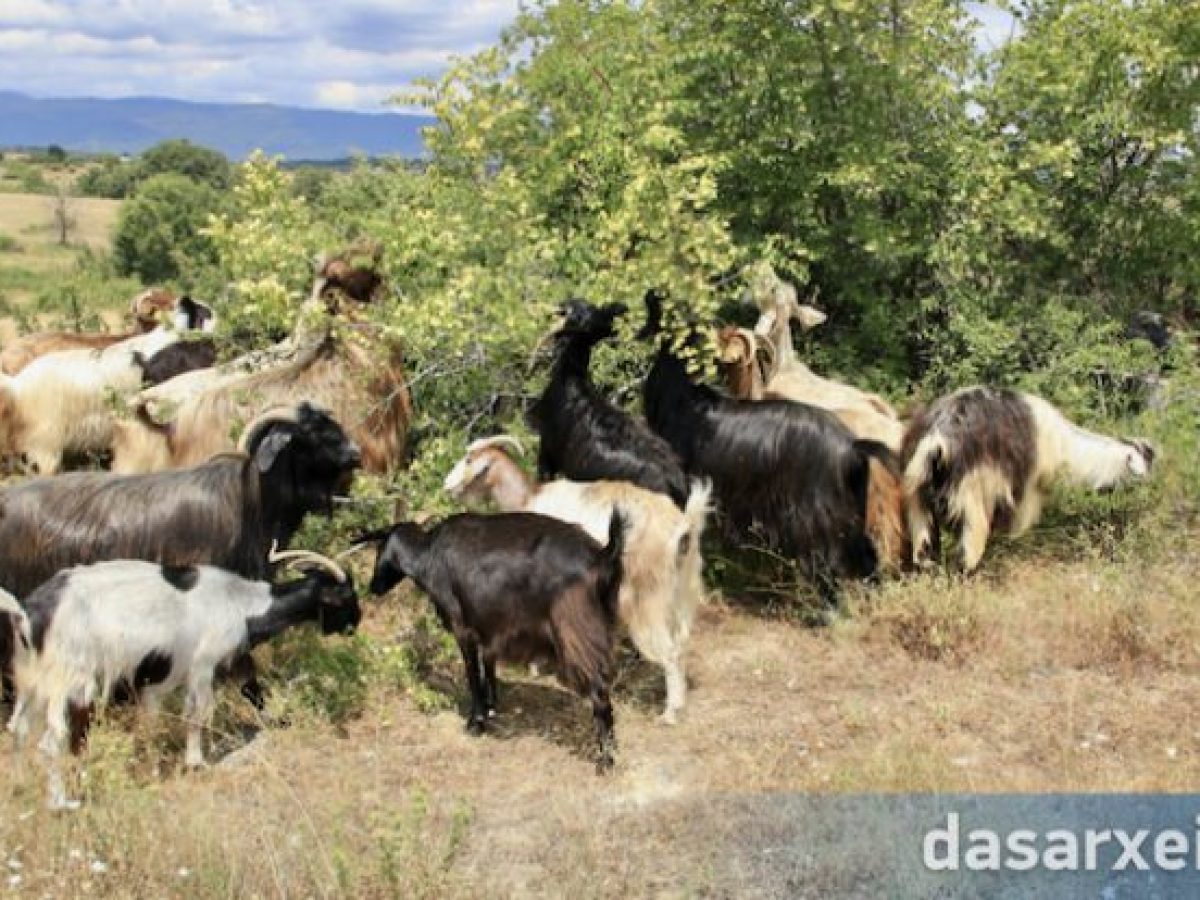
Modification of wildfire fuels is an important issue in many regions of the world. Grazing appears in many cases as an effective tool to reduce potential fuel, however, there is limited research knowledge to help guide managers in using targeted grazing (the application of a specific kind of livestock at a determined season, duration, and intensity to accomplish defined vegetation or landscape goals) for fuel management. That knowledge is necessary to direct the timing and intensity of grazing to reach fuel management objectives like other methods. Grazing modifies fuel through consumption and trampling. Animals are most effective at treating smaller-sized live fuels and 1- and 10-hour fuels. These fuels influence an important part of fire behavior by providing the flammable material that creates a ladder of fuel for a fire to extend up from the ground into the shrub and tree canopy. For shrublands, the management goal should be to create a mosaic of treated and non- treated pastures, so that semi-open, highly heterogeneous and diversified landscapes are developed. Such a scheme will ensure the optimum use of shrublands by animals and reduce the risk of fires by breaking the continuity of fuel. Finally, for the grazing lands of our country, the resumption of grazing after a fire should be redefined to prevent the re-accumulation of fuel. For this reason, more research data should be acquired, which together with the existing ones will form the basis for managing grazing lands after a fire.
Keywords: wildfires, fuel management, grazing lands, forests
Πηγή: Παπαχρήστου, Θ.Γ. (2024). «Στοχευμένη βόσκηση για πρόληψη πυρκαγιών». Στο: Η. Καρμίρης, Μ. Πλένιου & Θ.Γ. Παπαχρήστου (επιμ.), Αειφόρος Παραγωγή Προϊόντων και Οικοσυστημικών Υπηρεσιών από τις Βοσκήσιμες Γαίες. Πρακτικά 11ου Πανελλήνιου Λιβαδοπονικού Συνεδρίου. Ελληνική Λιβαδοπονική Εταιρεία, Θεσσαλονίκη, σελ. 35–48.
Related
Categories: Δασική Έρευνα, Κτηνοτροφία – Βοσκότοποι, Πυρκαγιές – Αναδασώσεις